Dew Accumulation Patterns Affecting Ball Grip and Scoring in IPL Evening Fixtures
Casey Krüger · Aug 19, 2026
Dew Accumulation Patterns Affecting Ball Grip and Scoring in IPL Evening Fixtures
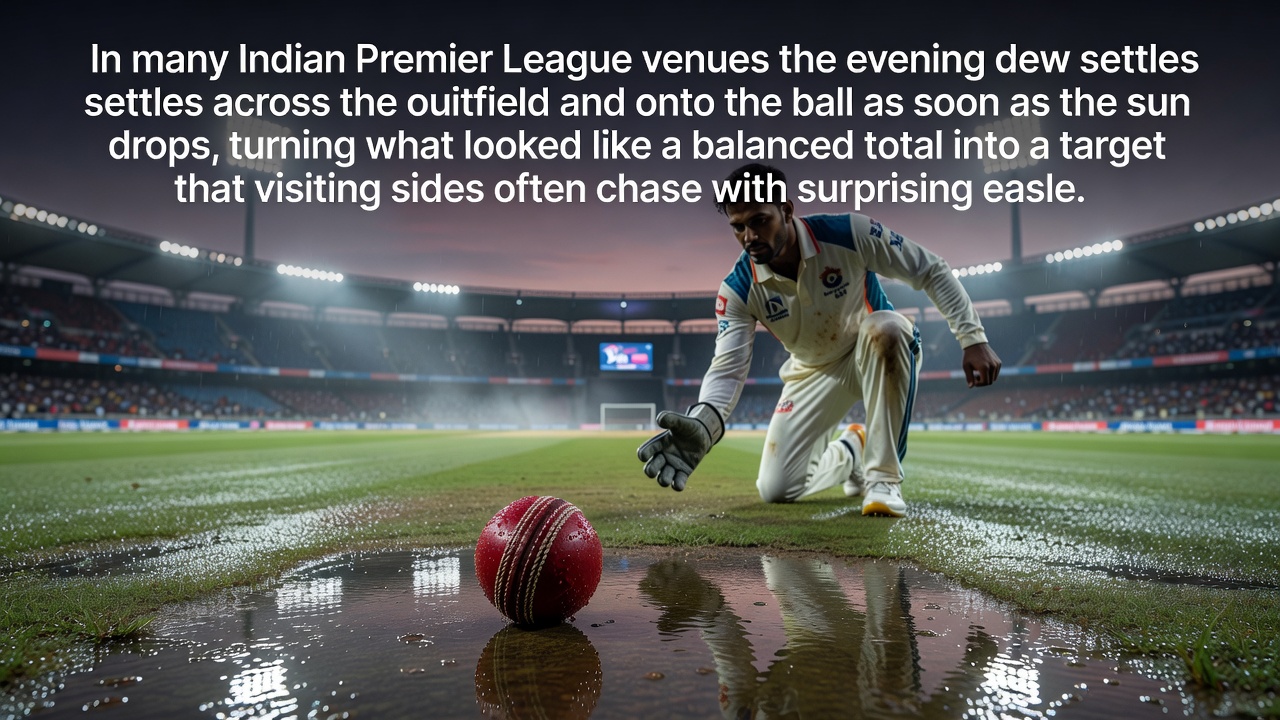
Indian Premier League matches scheduled for evening starts frequently encounter dew settling on the outfield once daylight fades, and this moisture alters ball condition along with fielding traction in measurable ways. Data from multiple seasons shows that teams batting second in such conditions record higher success rates when chasing totals set under dry daylight conditions, since the ball becomes slippery and seam movement diminishes after the first few overs under lights.
Formation of Dew at Common IPL Grounds
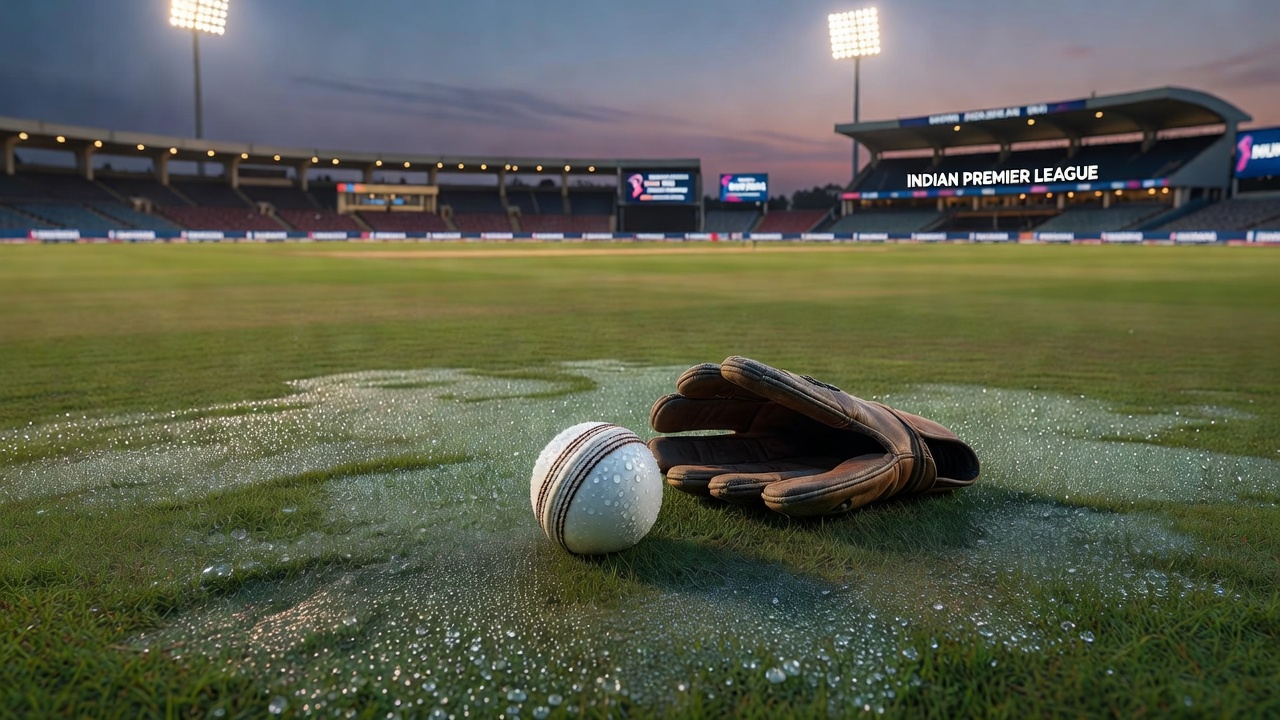
Stadiums located in coastal or humid regions experience rapid temperature drops after sunset which triggers condensation on grass surfaces, and grounds like those in Mumbai, Chennai, and Kolkata register dew points that rise noticeably between 7 pm and 10 pm during March through May fixtures. Meteorologists tracking these venues note that relative humidity levels often exceed 70 percent in the later stages of matches, creating a thin film of moisture that coats both the ball and the playing surface within 30 to 40 minutes of the sun setting.
Ground staff at these locations apply specific drying techniques during the innings break, yet the process rarely removes all surface moisture when humidity remains elevated. Observers have recorded that the ball's outer layer absorbs enough water to reduce bowler grip, and spinners in particular report difficulty imparting turn once the leather becomes damp.
Effects on Bowling and Fielding Execution
Bowlers relying on seam movement or spin find their primary weapons blunted once dew accumulates, and pacers notice reduced swing because the ball no longer grips the fingers effectively. Fielders positioned in the outfield encounter slippery footing that limits diving stops and quick returns, while wicketkeepers report additional challenges handling deliveries that skid off the surface with less predictable bounce. Research conducted on ball moisture levels during limited-overs games indicates that seam deviation drops by measurable margins after 20 overs under lights at affected venues, shifting advantage toward batters who can play shots along the ground without fear of sharp turn.
Scoring Trends in Second Innings
Match data compiled across recent IPL seasons reveals that targets set before dew forms are chased successfully at rates above 55 percent when the second innings begins after sunset, and this pattern holds particularly at venues where evening humidity spikes consistently. Teams that insert opponents to bat first under clear skies often see their totals become less imposing once the ball loses its dry characteristics, and captains have adjusted strategies by factoring dew forecasts into toss decisions at specific grounds. Analysts examining run-rate differentials note that scoring accelerates in the middle overs of the chase once the ball stops gripping, allowing batters to rotate strike more freely without the threat of edges carrying to fielders.
Team Adjustments and Preparation Methods
Franchises prepare for dew-affected games by selecting bowlers who maintain control without relying heavily on grip, and some sides carry extra towels for frequent ball drying even though regulations limit such interventions. Captains who win tosses at high-dew venues increasingly choose to field first, allowing their batters to face a drier ball during the chase. Data from the 2026 season shows that sides winning the toss and electing to bowl in evening matches at dew-prone stadiums recorded improved win percentages compared with previous years, reflecting refined preparation around moisture forecasts. Coaching staffs review historical ball-condition reports for each ground and adjust training drills to simulate slippery conditions, focusing on lower-order batting resilience and ground-fielding techniques that minimize errors when traction decreases.
Venue-Specific Variations Observed in 2026
Not every IPL stadium experiences identical dew impact, and grounds with better drainage or higher afternoon temperatures show delayed moisture buildup that sometimes allows the first 10 overs of the second innings to remain relatively dry. Venues in drier inland regions report lower evening dew incidence, whereas coastal facilities continue to present the most pronounced changes once the sun drops. August 2026 scheduling discussions have highlighted the need for consistent start-time adjustments at certain locations to mitigate extreme humidity spikes, and fixture planners examine long-term weather models when assigning night matches to grounds known for rapid dew formation.
Conclusion
Patterns of evening dew continue to shape outcomes in Indian Premier League matches at multiple venues, with documented effects on ball behavior, bowler effectiveness, and chase success rates. Teams and analysts track these conditions through detailed venue reports and weather data, allowing strategies to evolve around predictable moisture changes that occur once daylight fades. Continued monitoring of humidity levels and surface conditions provides ongoing insight into how dew influences limited-overs cricket across the league's grounds.