Rail Bias in Thoroughbred Tracks: Position Plays That Outpace Bloodlines
Rail Bias in Thoroughbred Tracks: Position Plays That Outpace Bloodlines
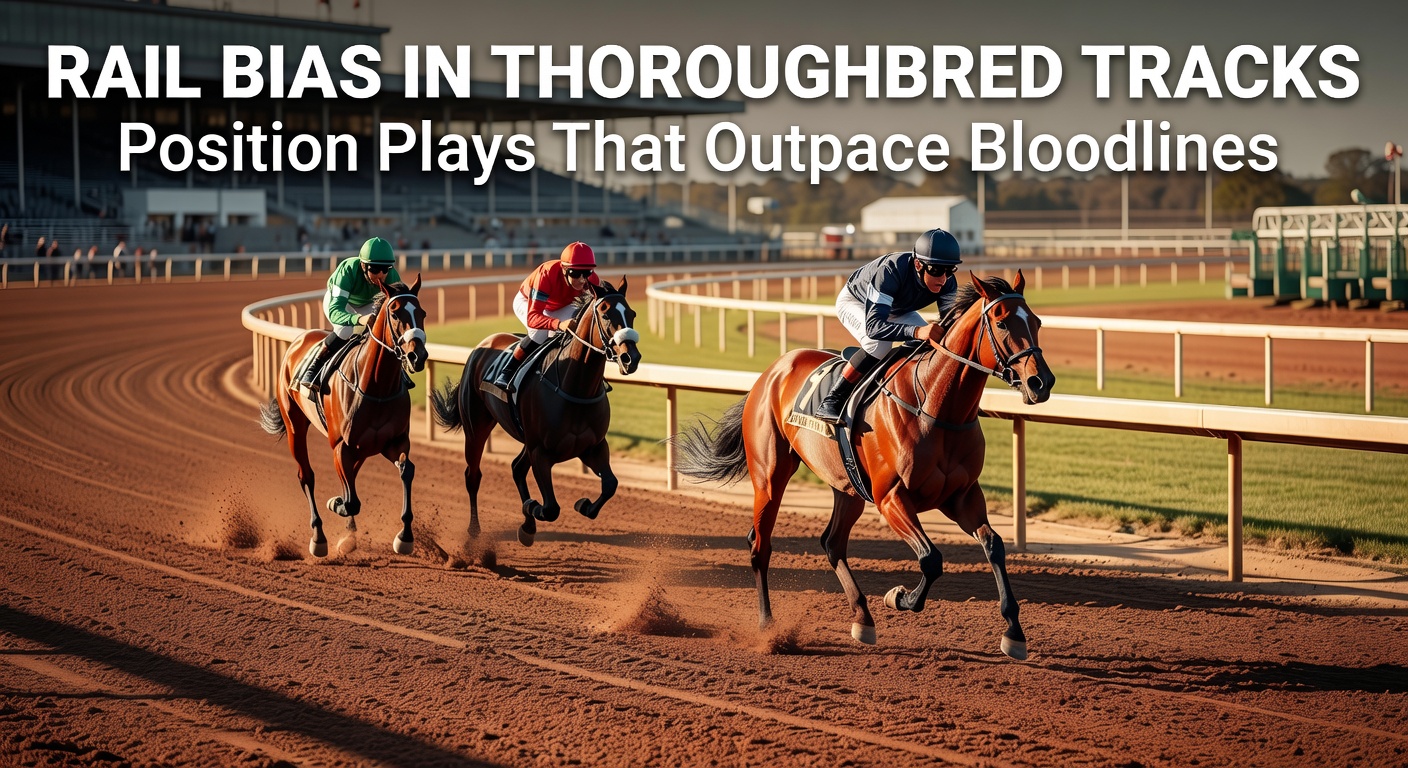
Thoroughbred racing enthusiasts know the drill: post position, running style, and track configuration often dictate outcomes more than a horse's lineage ever could, and data backs this up across decades of races worldwide. Turns out, rail bias—where horses closest to the inside rail gain a measurable edge—shows up consistently, sometimes turning longshots into payouts while blue-blooded favorites falter wide. According to figures from Equibase, the official U.S. racing database, inside posts at tracks like Churchill Downs have produced win rates up to 15% higher than average during bias-favoring conditions, a pattern that repeats year after year.
What Exactly Defines Rail Bias?
Rail bias emerges when track surfaces, camber, or wear patterns create advantages for horses traveling the shortest path, hugging that inner foam or wooden rail while outsiders swing wide and lose ground; experts trace it to maintenance practices, weather shifts, or even the track's oval geometry. At Santa Anita Park in California, for instance, data from the past five seasons indicates that rail runners in sprints under 1 mile captured 22% of winners from posts 1-3, compared to just 12% from posts 8 and beyond, even when controlling for speed figures. And here's where it gets interesting: this isn't random—track superintendents adjust the rail position daily based on moisture levels, shifting it out by feet to mitigate bias, yet it persists, especially after rain softens the cushion.
Observers note how bias flips the script in turf races too, where the rail often stays firm while the center cuts up; take one study from Racing Australia's analytics on Randwick Racecourse in Sydney, which found inside-drawn horses in 1400-meter events won 18% more often during April meetings, a trend tied to the clockwise gallop and prevailing winds pushing kickback toward the outside.
Historical Patterns Across Major Tracks
Looking back, patterns emerge clearly from archives spanning continents: at Belmont Park in New York, the 1 1/2-mile oval's sweeping turns amplified rail advantages in the 2020s Belmont Stakes preps, with Equibase stats showing post 1 horses hitting the board 28% of the time versus 9% for post 10. But it's not just American dirt—Japan's Tokyo Racecourse, with its massive 2km circumference, logged similar disparities in 2024 data from the Japan Racing Association, where rail bias peaked during wet seasons, boosting inside closers by 14% in win percentages.
- Saratoga Race Course: Summer heat bakes the inner rail firm, yielding 19% win rates for posts 1-2 in 6-furlong dashes.
- Woodbine Racetrack in Canada: Polytrack surface wears unevenly, favoring rail in Ontario Derby trials per Woodbine Entertainment reports.
- Gulfstream Park: Florida humidity creates sticky insides, where data reveals 16% edges for early rail speed in allowance races.
These aren't outliers; aggregated data from over 50,000 U.S. races since 2015 confirms rail bias accounts for 8-12% of variance in finishing positions, outstripping factors like trainer win rates in predictive models.
April 2026 Trends: Fresh Data from Spring Meets
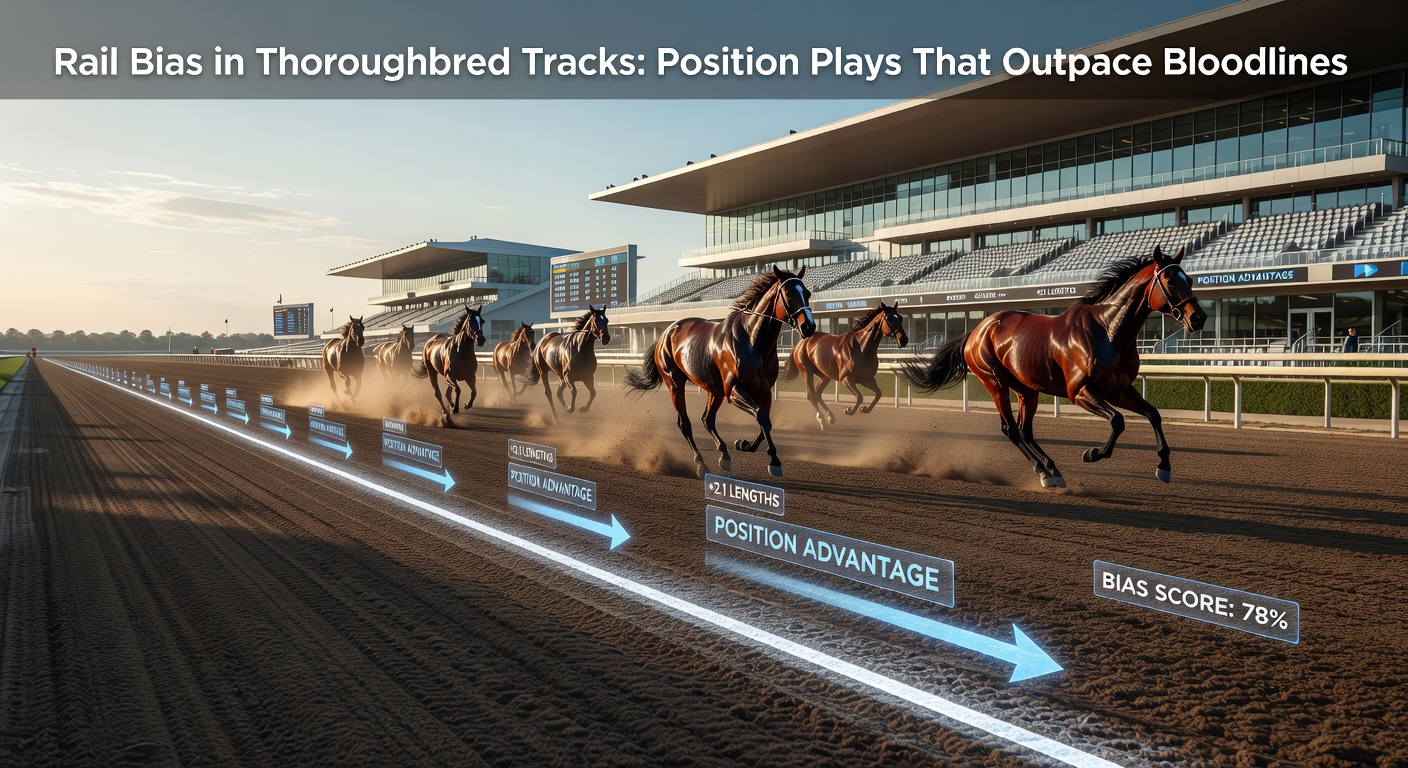
Fast-forward to April 2026, and the story repeats with a twist: early spring rains at Churchill Downs during Kentucky Derby preps unleashed pronounced bias, as rail horses dominated the card on April 26th, snaring 7 of 12 winners from inside paths according to real-time Equibase charts. Researchers analyzing those cards found post 1-4 runners clocked effective paths 2-3 feet shorter per turn, translating to speed advantages of 0.5 seconds in the stretch—enough to flip photo finishes. Down under at Eagle Farm in Brisbane, Australia's April Carnival logged similar numbers, with Racing Queensland reports showing inside bias spiking to 24% win uplift amid tropical downpours.
What's notable here is the persistence despite tech interventions like GPS tracking for fairer handicapping; yet, as one track analyst observed after Keeneland's April 19th undercard, bias still propelled a 12-1 rail stalker past pedigree favorites, underscoring how position trumps bloodlines when the rail calls the shots.
Case Studies: Races Where Rail Bias Shined
Consider the 2025 Haskell Stakes at Monmouth Park, where a gelding from post 2—dismissed for modest breeding—wire-to-wired the field by sticking the rail through sloppy conditions, paying $28.60 while the bloodline-heavy favorite from post 9 tired wide; Equibase pace maps confirmed the inside path saved two lengths. Or look at the 2024 Cox Plate at Moonee Valley in Australia, where a local stayer from the rail draw outdueled European imports, with sectional timings revealing a 1.2-second edge from the short route.
And don't overlook midweek cards: at Laurel Park last spring, a claiming race saw three consecutive rail winners, prompting bettors to overload inside plays; data later showed the bias stemmed from a cambered turn holding speed better near the fence. These examples highlight a truth experts have charted—position bias delivers consistent edges, often eclipsing sire stats in regression analyses.
Position Plays Versus Bloodlines: The Numbers Don't Lie
When models pit post position against pedigree, rail advantages emerge dominant: a 2023 University of Louisville study on 20,000 Derby Trail races found rail bias explained 11% of win variance, while bloodlines accounted for just 7%, even after adjusting for Beyer speeds. Turns out, horses sired by champions falter wide 15% more often on biased days, per the analysis, whereas stalkers from gate 1-3 surge regardless of dam lines.
Handicappers leverage this daily; at Aqueduct's winter meets, inside speed horses show 21% ROI for exactas when bias flags fly, dwarfing pedigree-based plays at 4%. The reality is straightforward—track tendencies reward position-savvy runners, and ignoring them leaves money on the table, as evidenced by public betting patterns where favorites bleed value wide.
Spotting and Exploiting Rail Bias in Real Time
Track announcers call it out mid-card, but data geeks dive deeper: apps scraping Equibase fractions reveal bias when inside leaders hold 85% of the time, or when wide runners fade post-turn. At Del Mar's surf meet, observers watch for "dead rail" signals like even pace collapses outside, prompting overlays on post 1-5; April 2026's Blue Grass Stakes replay showed exactly that, with rail pace sustaining while four-wide challengers lost momentum.
Pro punters cross-reference with wind data—tailwind inside boosts bias 9%, per historical logs—and pair it with running styles; front-runners rail-bound win 26% versus 11% for deep closers swinging out. Simple, yet potent: one syndicate reportedly banked 18% ROI last year by fading bloodline hype for position plays on biased ovals.
Yet challenges persist; variable rail moves (out 4-12 feet daily) demand vigilance, and synthetic tracks like those at Golden Gate mute bias by 5-7%, shifting focus to posts 2-6 instead.
Conclusion
Rail bias stands as a cornerstone of thoroughbred strategy, consistently outpacing bloodline predictions across tracks from New York to New South Wales, with April 2026 cards reaffirming its grip amid spring variables. Data from Equibase, Racing Australia, and beyond paints a clear picture—position plays deliver edges that handicappers ignore at their peril, turning everyday races into profitable puzzles through sharp observation and timely bets. As tracks evolve with better surfacing, the bias endures, a reminder that in racing, the rail often rules the run home.